499 Views |

In the business world, communication can take place between people from different countries and cultural backgrounds. “Language” has therefore become one of the key factors that can affect the way businesses operate, whether in meetings, business negotiations, customer service, or communication with international partners.
Although there are now many language translation tools available, one technology that is playing an increasingly important role is Real-Time AI Translation. It enables speech and text to be translated quickly during conversations.
The key concept behind an AI Translator goes beyond simply “translating words.” It uses AI technology to help people who speak different languages communicate and understand the content of conversations more easily.
For businesses, this technology can be applied in a variety of situations, from meeting rooms and customer service counters to communication with international partners or overseas teams.
How Does Real-Time AI Translation Work?
Have you ever wondered how Real-Time AI Translation works?
Behind real-time translation is a combination of technologies working together to convert a user's speech into a translated output within a short period of time.
1. Capturing the Speaker’s Voice
When the user speaks, the system captures the voice through a microphone and then sends the audio for processing.
2. Converting Speech into Text
The system uses Speech Recognition technology to analyze the audio and convert spoken words into text.
3. Processing and Translating the Language
AI analyzes and processes the recognized text before translating it into the selected target language.
4. Displaying or Delivering the Translation
The translated content can be displayed as text on the screen or converted into spoken audio, allowing the other person to understand the message and respond naturally.
These processes take place continuously and rapidly, forming the foundation of Real-Time AI Translation, which helps people communicate across different languages with greater convenience.
How Is an AI Translator Different from Google Translate?
When it comes to language translation, many people may think of Google Translate first because it is easily accessible and can be used through a smartphone.
However, it is important to understand that Google Translate also incorporates AI technology. Therefore, AI Translators and Google Translate should not be viewed as completely separate technologies.
The key differences lie in the device format, purpose, and overall user experience.
Google Translate Is Suitable for General Use
Google Translate can translate text, words, speech, and conversations using devices that users already have, such as smartphones.
It is suitable for general situations, including:
Translating text
Translating words and vocabulary
Checking the meaning of sentences
Translating signs or documents
Communicating in everyday situations
AI Translators Are Designed for More Serious and Continuous Communication
AI Translators are particularly suitable for situations that require more direct, continuous, and focused communication, especially in work, business, and conversations with international contacts.
Some AI Translators are specifically designed as dedicated communication devices, making them convenient for situations that involve ongoing conversations, such as:
Meetings with international clients or colleagues
Business negotiations
Communication and coordination with international partners
Serving international customers
Work-related conversations with people from other countries
Welcoming and assisting international visitors
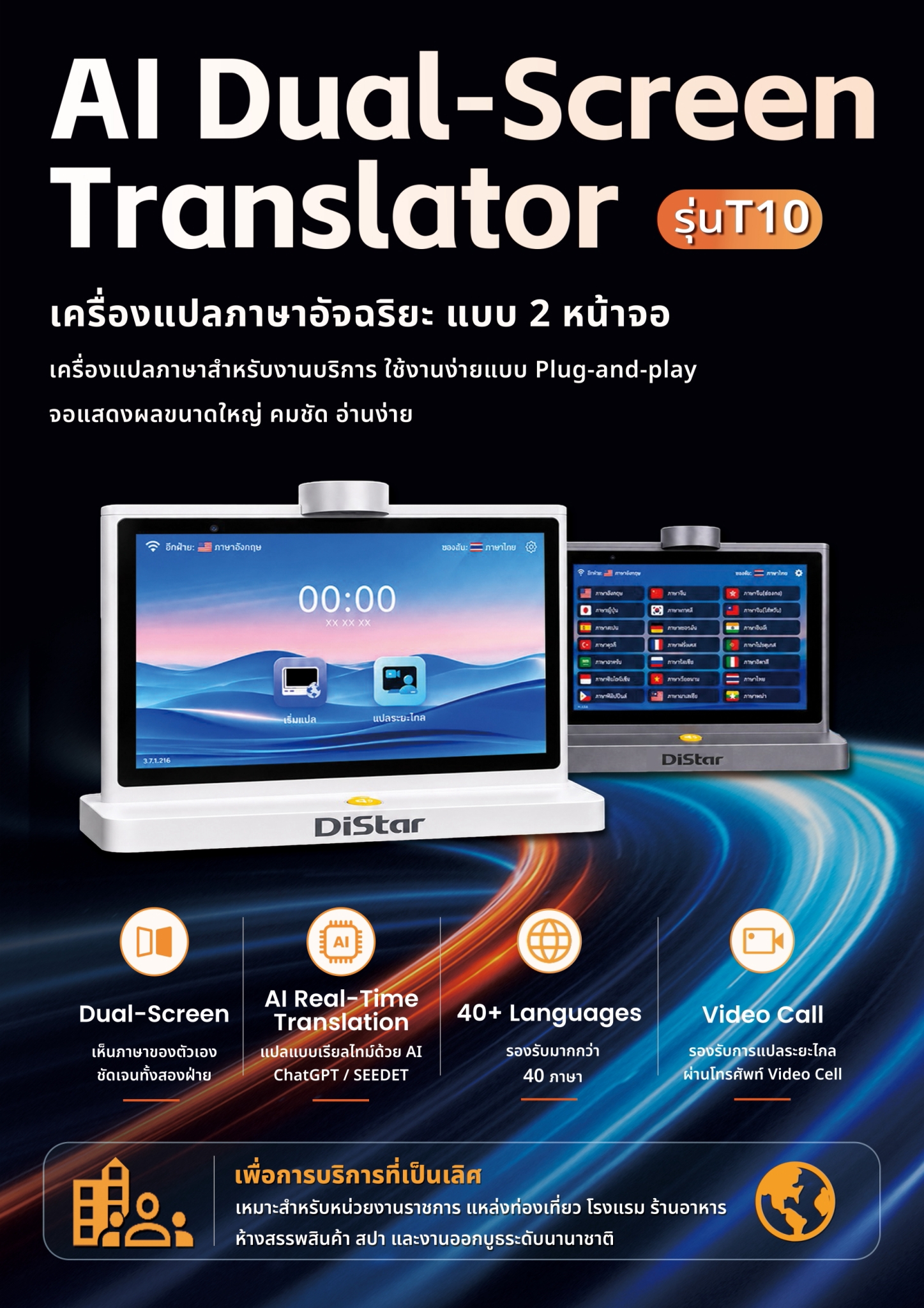
AI Translators equipped with Dual Screens can provide an even more convenient communication experience by allowing both people in a conversation to see the translated information on their respective sides. This makes conversations feel more natural without having to pass a smartphone back and forth to view the translation.
In addition, AI Translators are designed to support voice communication and real-time translation, making them suitable for situations where the goal is not simply to translate text, but to facilitate an ongoing conversation.
Which One Should You Choose?
For everyday translation needs, such as translating vocabulary, reading signs, checking sentences, or communicating while traveling, Google Translate can be a convenient option.
However, when communication involves direct and continuous interaction, such as work, meetings, business negotiations, coordination, or customer service for international customers, an AI Translator may be more suitable because it is designed specifically to support real-world communication.
Therefore, choosing a translation tool is not simply about which technology is “better.” It is about choosing the right tool based on your needs, the nature of your work, and the communication situation.
AI Dual Screen Translator T10: An Intelligent Translation Device for Business Communication
For those who regularly communicate with international contacts—whether for work, meetings, business negotiations, or customer service—having an AI Translator designed specifically for communication can make conversations more convenient and seamless.
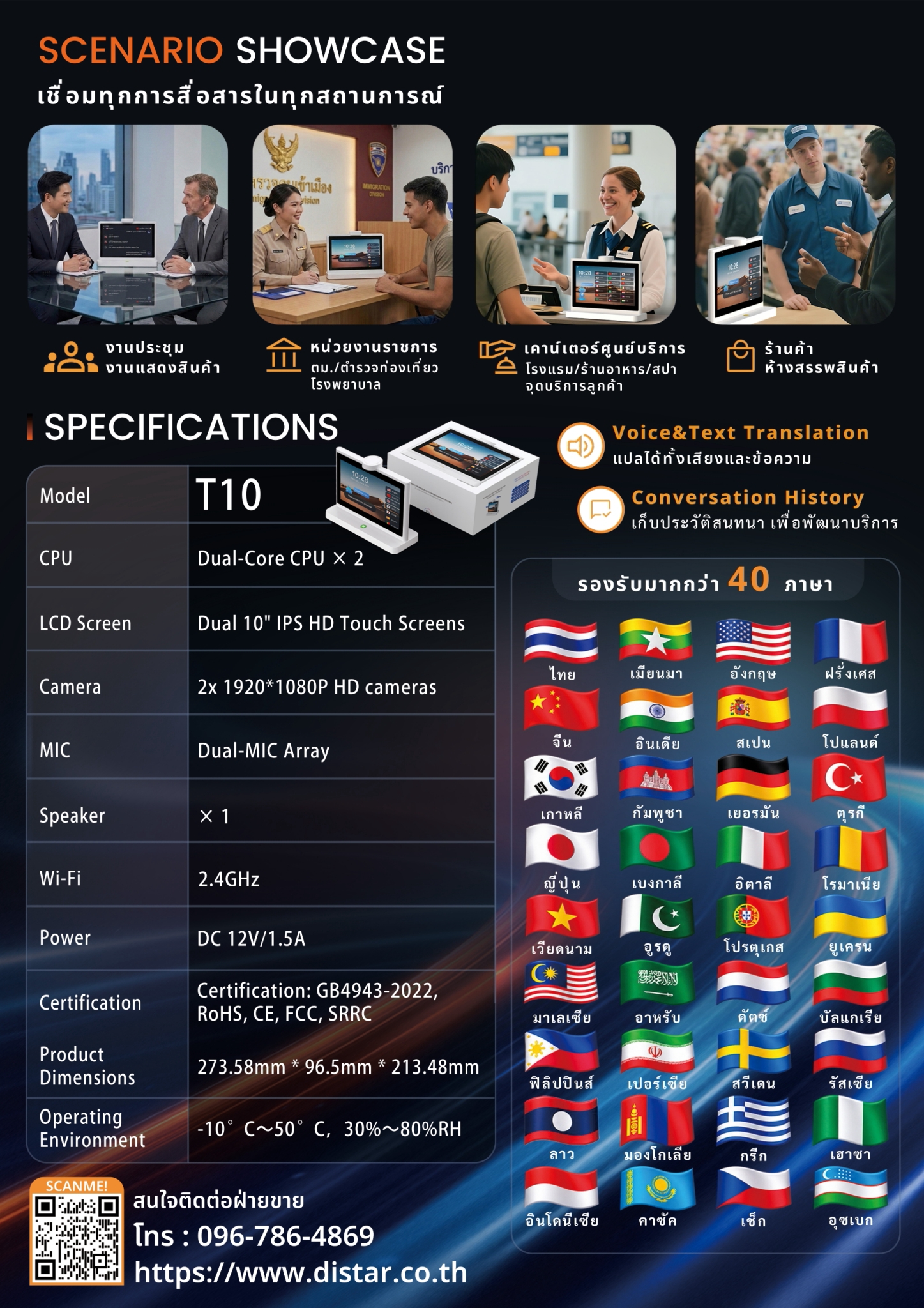
AI Dual Screen Translator T10, an intelligent translation device, is another option for those looking for a dedicated tool to communicate with people who speak different languages. It is designed for real-world communication and comes with features that support conversations between people using different languages.
If you are looking for a translation device for work, business communication, or conversations with international customers and partners, AI Dual Screen Translator T10 may be another solution to support communication in a world where language should no longer be a barrier.